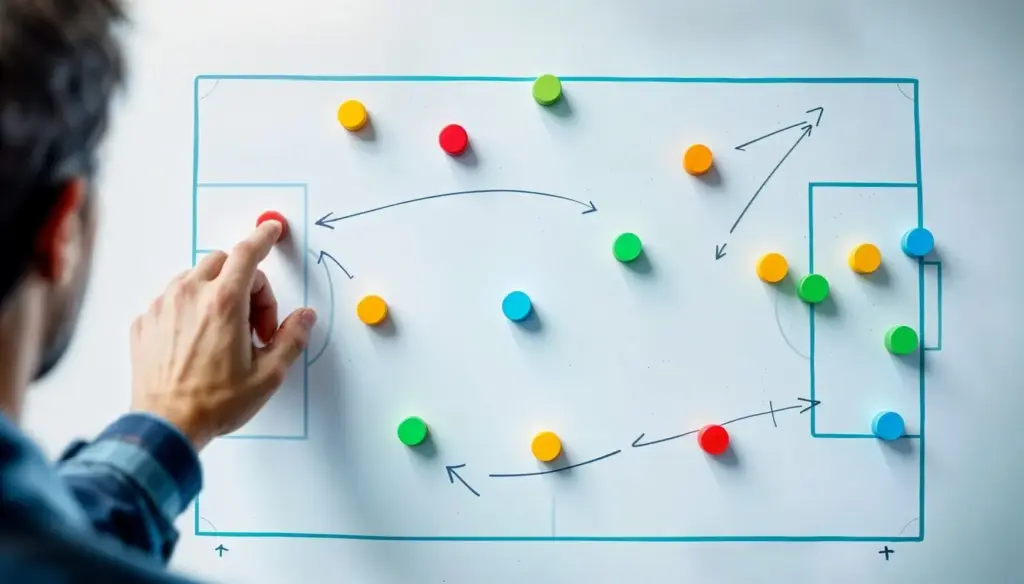
Fast-Track Team Alignment with the Project Canvas

Move faster with fewer meetings by using the Project Canvas to align teams quickly. In this guide, we bring product, design, engineering, and stakeholders onto one page, clarify outcomes, surface risks early, and commit to decisions that hold. You will learn facilitation moves, practical templates, and lightweight rituals that transform a hurried kickoff into a confident start, inviting every voice while protecting momentum and shared ownership.

Why Rapid Alignment Wins Projects

The Cost of Slow Consensus

Every additional alignment meeting multiplies ambiguity and fatigue. I once watched a cross‑functional team spend three weeks wordsmithing an elevator pitch, only to discover two incompatible deadlines. A fifteen‑minute canvas draft exposed the conflict instantly, unblocked the conversation, and turned a circular argument into a plan everyone could defend.

A One-Page Shared Language

By capturing purpose, outcomes, stakeholders, scope, approach, milestones, risks, and measures on one page, people from finance to design speak concretely about the same picture. The map becomes a reference during debates, reducing interpretation gaps and anchoring decisions when pressures rise or new voices arrive midstream.

From Circling to Shipping

Teams stuck in loops often lack a crisp picture of success and the boundaries that shape it. A visible canvas reframes talk into action: agree what value looks like, agree trade‑offs, assign owners, preview risks, and move. Momentum returns because ambiguity has nowhere to hide anymore.

Build Your Canvas in Twenty Minutes

Speed comes from constraints and clear prompts. Time‑box a focused workshop, invite the right voices, and fill the canvas with sticky notes before anyone edits sentences. Then merge, name assumptions, and highlight key decisions. The fast draft unlocks shared understanding long before you chase perfect wording or pretty diagrams.

Make It Stick Across Functions

Alignment collapses when language drifts between disciplines. Treat the canvas as a translation device connecting strategy, product, delivery, finance, marketing, and compliance. Replace jargon with observable outcomes, bind risks to owners, and define boundaries that reduce surprises. The result is trust: everyone knows what matters and why now.

Translate Jargon into Outcomes

Instead of arguing about frameworks or methodologies, ask what observable change you expect in users, systems, or revenue. Write statements anyone can test. When a designer, engineer, and controller all nod at the same sentence, you have alignment built on evidence rather than interpretation or departmental preferences.

Map Stakeholders Without Politics

List who can block, fund, use, operate, or be impacted by the work. Clarify their interests and constraints on the canvas, not in private side conversations. When influence and needs are visible, engagement plans become fair, and late objections transform into earlier, practical inputs with shared accountability.

Decisions, Escalations, and Non‑Negotiables

Some constraints are real: compliance rules, budget caps, vendor contracts, or deadlines tied to seasons. Name them early and put them on the canvas. Define decision rights and escalation paths so speed never looks reckless. Clear boundaries liberate creativity because teams know where they can safely innovate today.

Turn the Canvas into Delivery

A good kickoff is worthless without execution. Convert outcomes into backlog items, translate milestones into roadmaps, and link success measures to dashboards. Keep the canvas visible during rituals so decisions trace back to intent. This continuity protects focus and makes trade‑offs easier to explain to sponsors and teams.

Seed a Backlog with Outcomes

For each desired outcome, draft user‑centric stories or job‑to‑be‑done slices that prove value fast. Tie acceptance criteria to success measures named on the canvas. This ensures early increments produce learning and impact, not just activity, and gives stakeholders tangible evidence that alignment is driving meaningful delivery.

Roadmaps You Can Defend

Translate milestones and dependencies into a visual roadmap with clear assumptions and buffers. Show how risks influence sequencing and which learning loops will retire uncertainty. When asked to re‑prioritize, you can point back to the canvas and explain consequences transparently, preserving trust while adjusting course responsibly.

Facilitating Remote and Hybrid Sessions

Distributed teams can align just as quickly with thoughtful structure. Use digital boards, timers, and breakout rooms to preserve energy and pace. Make contributions equitable by rotating speakers and using silent writing sprints. Capture decisions in context so absent stakeholders can follow the reasoning and offer timely, constructive feedback.

Measure, Adapt, and Sustain Alignment

Alignment is not a ceremony; it is maintained through evidence and cadence. Establish a small scorecard tied to outcomes, review assumptions monthly, and archive decisions with dates. When reality changes, update the canvas and explain why. This rhythm avoids surprises and builds credibility with sponsors, users, and teams. Share your own practices or questions in the comments and subscribe to receive fresh workshop patterns and case studies that keep momentum real.
Nozoletepimapomu
Privacy Overview

This website uses cookies so that we can provide you with the best user experience possible. Cookie information is stored in your browser and performs functions such as recognising you when you return to our website and helping our team to understand which sections of the website you find most interesting and useful.